

Fares
The price you're quoted is the most you'll pay.
No surge, ever. And because the cost of the run is split across everyone in the vehicle, your share falls as others join — it never rises above what you accepted. Move the sliders and see what your week actually costs.
The network
Five corridors out of East Bay.
Every run starts at the East Bay employment district in Provo and works south or north along I-15. Share your location and we'll point at the one nearest you.
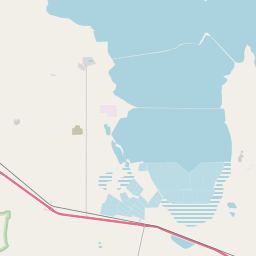
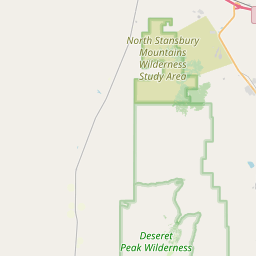


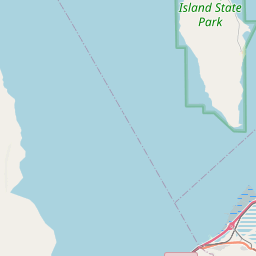
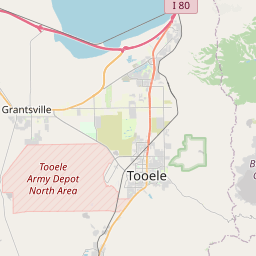

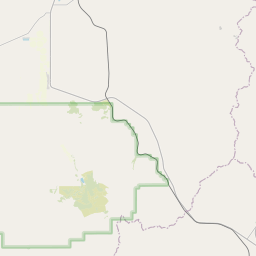
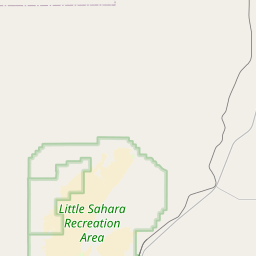
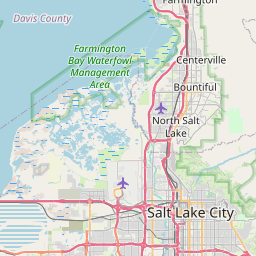
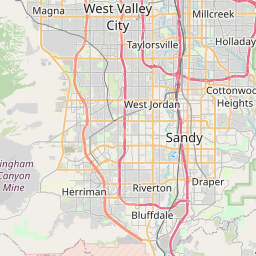
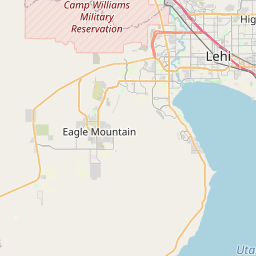
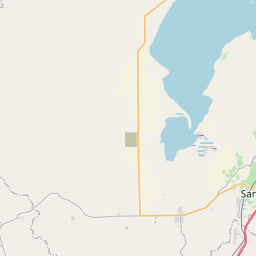
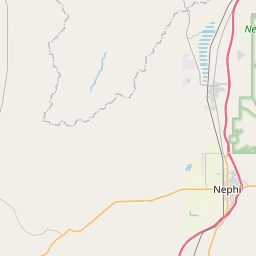
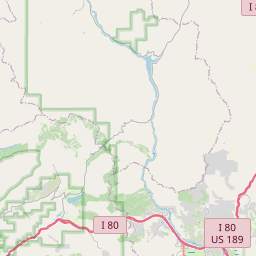
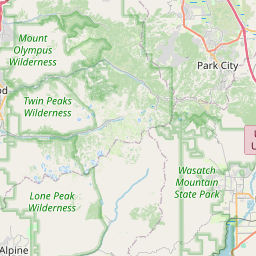
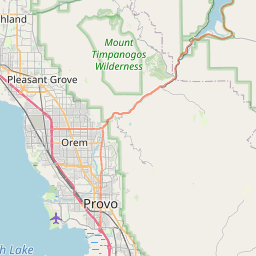
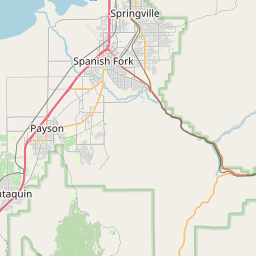
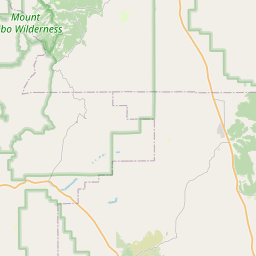
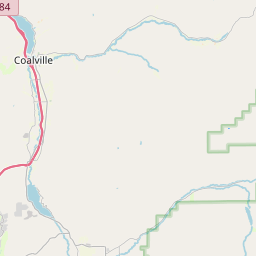
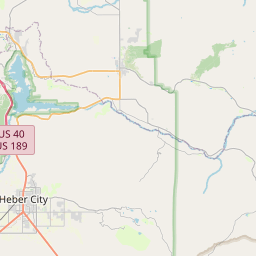
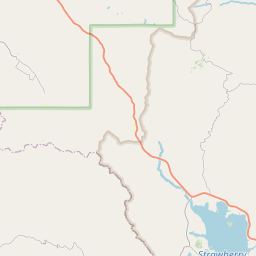
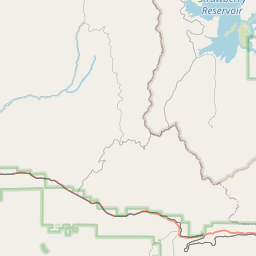
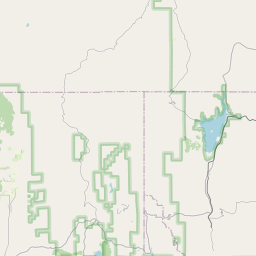
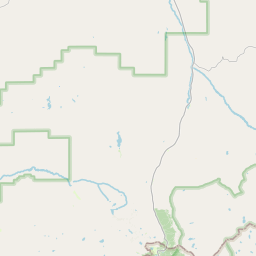
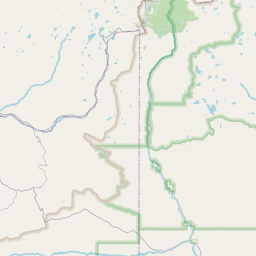
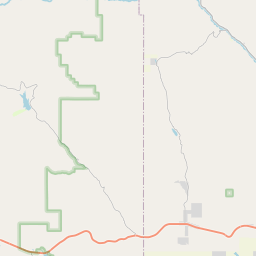
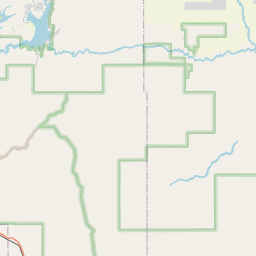
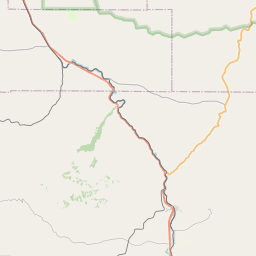
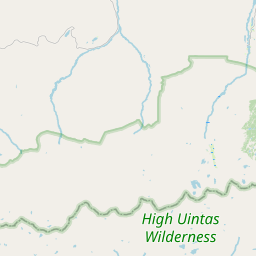
5 corridors running out of East Bay, Provo. Find the one nearest you.
Seat fare is fixed at $3.20 — it doesn't change with traffic, weather or how many people book.
Your week on Rydlnk
$32.00
You keep $83.00 a week · $360 a month
A seat on this corridor is 72% cheaper than booking alone, however often you ride.
Indicative fares for the Utah County corridors currently running. Your employer can cover some or all of this. “Booking alone” is the fare for the same trip as a single rider on a typical on-demand ride-hail service, before surge pricing.
What each Utah County corridor is quoted at today.
These are the prices you are quoted — your ceiling on each corridor. They are set by distance and time band, never by demand, and your actual charge falls below them as the vehicle fills.
| Corridor | Distance | Departures | Day seat | Night seat |
|---|---|---|---|---|
| Spanish Fork ↔ East Bay | 24 miles | 06:00 · 14:00 · 22:15 | $3.20 | $4.00 |
| Payson ↔ CBD | 19 miles | 06:00 · 22:15 | $2.80 | $3.60 |
| Orem ↔ East Bay | 16 miles | 06:00 · 14:00 · 22:30 | $2.40 | $3.20 |
| Springville ↔ East Bay | 21 miles | 22:30 | — | $4.00 |
| Lehi ↔ CBD | 12 miles | 06:00 · 23:00 | $2.00 | $2.80 |
Night seats cost more because vehicles come back empty and drivers are paid a night rate. That difference is published rather than buried in a multiplier.
Or pay once a month and stop counting.
If you commute the same route most days, a pass covers the rides your schedule already generates.
Monthly Commuter Pass
$88/month
Up to 44 rides a month — 22 days there and back. Anything beyond that is charged at the ordinary published fare, and you see the price before you confirm.
When it pays for itself
On the Orem ↔ East Bay corridor at $2.40 a seat, the pass beats paying per ride from 37 rides a month. On Lehi ↔ CBD at $2.00, from 44. Below that, pay per ride — we will not pretend otherwise.
If your employer also pays
Employer credits are spent first, so a pass is not consumed on a ride your employer already covered. The two stack rather than compete — but if your employer funds everything, you do not need a pass.
Why it can be this cheap
You're paying for one seat, not the vehicle. Four people on a 24 miles run each pay a quarter of what it costs to send that vehicle — and because the runs repeat weekly, the driver isn't burning fuel looking for the next job.
How the wallet works
Top up from $2 by card, mobile money or bank transfer. Fares come off as you travel. Unused money stays yours and can be withdrawn back to the card you paid with — it isn't credit, and it doesn't expire.
If your employer pays
Employer credits appear as a second balance and are spent first. If a trip costs more than their policy allows, the difference comes off your balance rather than the trip being refused. How that works.